
Running a successful precast concrete business is about much more than producing high-quality products. While most manufacturers carefully monitor raw material costs, labour expenses, and equipment investments, many overlook hidden costs that quietly reduce profitability over time. These unseen expenses often accumulate across production, transportation, quality control, inventory, and project management, making them difficult to identify without regular performance reviews.
Whether your company manufactures hollow core slabs, wall panels, beams, columns, light pole foundations, or custom precast elements, understanding these hidden costs is essential for improving efficiency and maintaining a competitive advantage. Identifying waste, improving workflows, and investing in smarter processes can significantly increase profit margins without compromising quality.
Material Waste Adds Up Quickly
Concrete, cement, aggregates, reinforcement steel, and admixtures represent a major portion of production costs. Even small amounts of material waste during batching, casting, or handling can become a significant financial burden over hundreds of projects.
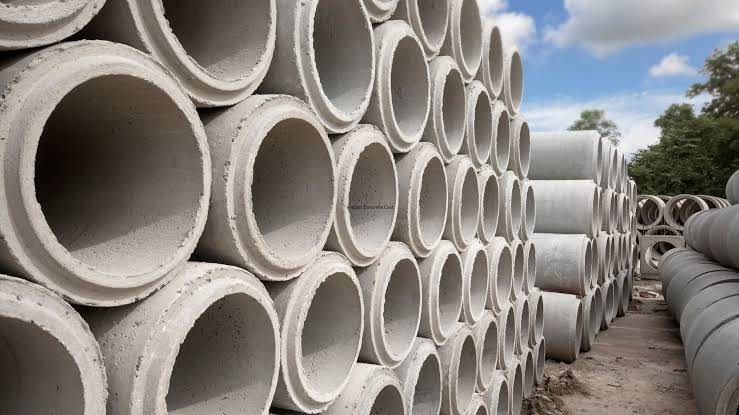
Common causes include inaccurate batching, damaged molds, poor storage practices, and production errors that require products to be recast. Excessive waste not only increases material expenses but also affects production schedules and labour efficiency.
Implementing strict quality control, regular equipment calibration, and better inventory management helps reduce unnecessary waste and improve overall productivity.
Production Delays Increase Operating Costs
Every hour of downtime in a precast manufacturing facility affects profitability. Equipment failures, delayed raw material deliveries, poor production planning, or labour shortages can interrupt manufacturing schedules and delay customer deliveries.
When projects fall behind schedule, businesses often face overtime payments, additional transportation costs, and dissatisfied clients. Delays may also affect future contracts if delivery deadlines are consistently missed.
Preventive equipment maintenance, realistic production planning, and effective communication between departments help minimize disruptions and keep operations running efficiently.
Poor Quality Control Leads to Expensive Rework
Quality problems are among the most expensive hidden costs in precast concrete manufacturing. Cracks, dimensional inaccuracies, surface defects, improper curing, or reinforcement issues may require products to be repaired or completely remanufactured.
Rework consumes additional materials, labour, equipment time, and transportation resources while delaying customer deliveries.
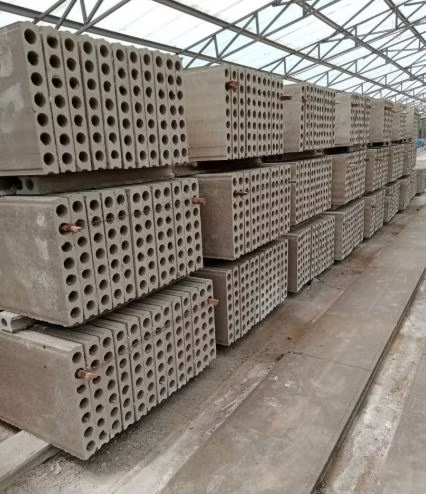
Establishing comprehensive inspection procedures throughout the production process ensures defects are identified early, reducing the risk of costly corrections after manufacturing.
Transportation Costs Are Often Underestimated
Precast concrete products are large, heavy, and require specialized transportation. Rising fuel prices, vehicle maintenance, loading equipment, route planning, and delivery coordination all contribute to transportation expenses.
Improper scheduling can result in partially loaded trucks, repeated deliveries, or unnecessary travel distances that increase operating costs.
Optimizing logistics, planning efficient delivery routes, and coordinating installation schedules can significantly reduce transportation expenses while improving customer satisfaction.
Inventory Management Can Tie Up Capital
Producing large quantities of precast products before they are needed may appear efficient, but excessive inventory often creates hidden financial challenges.
Stored products occupy valuable yard space, require handling equipment, and increase the risk of damage during storage. Additionally, capital invested in unsold inventory cannot be used elsewhere in the business.
Producing according to project schedules and maintaining balanced inventory levels improves cash flow while reducing storage costs.
Equipment Maintenance Should Never Be Ignored
Production equipment is the backbone of every precast manufacturing facility. Delaying maintenance to save money often results in unexpected breakdowns that are far more expensive than routine servicing.
Equipment failures can halt production, delay deliveries, increase repair costs, and reduce product quality.
Developing a preventive maintenance schedule helps maximize equipment lifespan, improve reliability, and minimize costly downtime.
Labour Inefficiencies Reduce Productivity
Skilled workers are essential to producing quality precast concrete products. However, unclear work instructions, poor scheduling, inadequate training, or inefficient production layouts can reduce productivity and increase labour costs.
Employees who spend unnecessary time waiting for materials, correcting mistakes, or moving products around the factory contribute to higher operating expenses.
Regular staff training, standardized procedures, and optimized factory layouts help improve productivity while maintaining consistent product quality.
Energy Consumption Affects Profit Margins
Electricity powers batching plants, cranes, curing systems, lighting, compressors, and other production equipment. Rising energy costs can quietly reduce profitability if consumption is not monitored carefully.
Using energy-efficient machinery, maintaining equipment properly, and optimizing production schedules can reduce electricity usage without affecting output.
Many manufacturers also invest in energy monitoring systems to identify opportunities for improving operational efficiency.
Safety Incidents Carry Significant Costs
Workplace accidents affect more than employee well-being. They can lead to medical expenses, project delays, equipment damage, insurance claims, legal costs, and reduced staff morale.
Maintaining a strong safety culture through regular training, protective equipment, and compliance with health and safety regulations helps protect employees while reducing financial risks.
Safe workplaces are often more productive and experience fewer operational disruptions.
Customer Service Impacts Long-Term Revenue
Hidden costs are not always related to manufacturing. Poor communication, delayed responses, inaccurate quotations, or unresolved customer concerns can damage business relationships and reduce repeat business.
Satisfied customers are more likely to recommend your company and return for future projects. Investing in professional customer service, transparent communication, and dependable project management strengthens long-term profitability.
Technology Can Reduce Hidden Costs
Digital technologies are helping precast manufacturers improve efficiency across every stage of production. Production management software, inventory tracking systems, automated batching equipment, and quality monitoring tools provide better visibility into daily operations.
These technologies reduce manual errors, improve planning, optimize resource allocation, and provide accurate performance data that supports informed business decisions.
Although technology requires initial investment, the long-term savings often outweigh implementation costs.
Build a More Profitable Precast Business
Reducing hidden costs does not necessarily require major operational changes. Small improvements in production planning, quality control, equipment maintenance, inventory management, logistics, and employee training can collectively produce substantial financial benefits.
Successful precast concrete manufacturers regularly review their operations to identify inefficiencies before they become expensive problems. Continuous improvement creates stronger profit margins, higher customer satisfaction, and greater competitiveness in an increasingly demanding construction market.
Conclusion
Every precast concrete business faces visible costs, but hidden expenses often have an even greater impact on long-term profitability. Material waste, production delays, poor quality control, inefficient transportation, excessive inventory, equipment breakdowns, labour inefficiencies, and weak customer service can quietly reduce earnings if left unchecked.
By identifying these hidden costs and implementing practical solutions, precast manufacturers can improve operational efficiency, deliver projects more reliably, and strengthen their position in the market. Investing in better processes today leads to lower costs, higher productivity, and sustainable business growth for years to come.
