
For decades, cast-in-place concrete was considered the standard construction method for residential and commercial developments. Today, however, the construction industry is rapidly shifting toward precast concrete because it offers greater consistency, shorter project timelines, and improved quality control. Developers in Abu Dhabi are increasingly choosing precast systems for villas, commercial buildings, warehouses, infrastructure, and public facilities because they help reduce construction risks while maintaining high structural standards. Although both methods use concrete as the primary material, they differ significantly in manufacturing, installation, project scheduling, quality management, and long-term performance. Understanding these differences helps project owners choose the most suitable construction method for their investment. At ALHUD Technical Service, we provide professional precast manufacturing and installation services as a trusted Precast Company serving residential, commercial, and industrial developments across Abu Dhabi.
Two Different Construction Philosophies
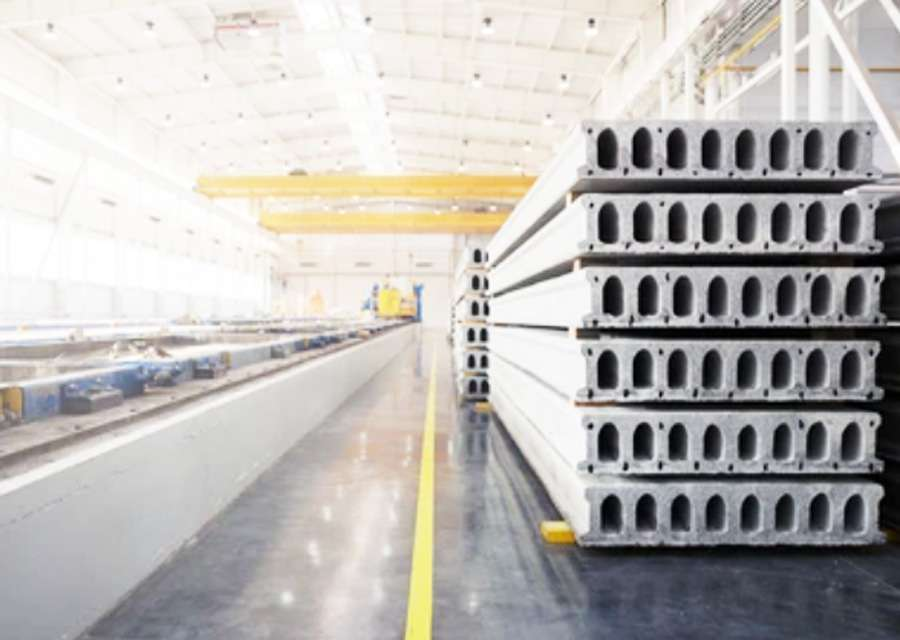
The biggest difference between precast concrete and cast-in-place concrete lies in where and how the concrete is produced. Cast-in-place concrete is mixed, poured, reinforced, and cured directly on the construction site. Every stage depends on weather conditions, labor availability, site preparation, and construction scheduling. Precast concrete follows a completely different philosophy. Structural components are manufactured inside a dedicated production facility where every stage is monitored under controlled conditions before the finished elements are transported to the project site for installation. This controlled manufacturing environment allows professional Precast Manufacturing Companies to achieve greater precision, consistent quality, and better production efficiency than traditional site casting.
Manufacturing Environment Creates Different Results
One of the main reasons developers choose precast concrete is the consistency achieved during factory production. Every wall panel, beam, column, staircase, or slab is manufactured using carefully controlled concrete mixes, calibrated moulds, and monitored curing conditions. This reduces the variability often associated with on-site construction, where weather, temperature, and workmanship can influence the final result. In traditional cast-in-place construction, unexpected rain, excessive heat, or delays during concrete placement may affect quality. By contrast, experienced Precast Concrete Companies maintain strict quality assurance procedures throughout production, ensuring every structural component meets engineering specifications before delivery.
Construction Speed Changes the Entire Project Timeline
Perhaps the greatest practical difference between the two methods is project scheduling. Cast-in-place construction requires multiple sequential activities including formwork installation, reinforcement placement, concrete pouring, curing, and formwork removal before additional work can continue. Each stage depends on the completion of the previous one. Precast construction allows manufacturing and site preparation to happen simultaneously. While foundations are being completed, structural components are already being produced in the factory. Once delivered, cranes position each element according to the engineering design, dramatically reducing construction time. This faster workflow is one reason why many Precast Companies in Abu Dhabi are preferred for projects with demanding schedules.
Quality Control Is Easier with Precast Systems
Quality control is often more predictable in a manufacturing environment than on an active construction site. Every precast component undergoes dimensional inspections, material testing, reinforcement verification, and curing control before leaving the production facility. This systematic process minimizes inconsistencies between structural elements and improves overall project reliability. Traditional concrete construction depends heavily on site supervision and workmanship, which can vary from project to project. Choosing an experienced Precast Concrete Company gives developers greater confidence that each structural element meets the required specifications before installation begins.
Design Flexibility Is Strong in Both Methods
A common misconception is that precast concrete limits architectural creativity. In reality, both construction methods support complex designs when properly engineered. Modern precast technology allows manufacturers to produce customized wall panels, columns, staircases, decorative façades, balconies, retaining walls, and architectural features in a wide variety of shapes and finishes. Cast-in-place concrete may offer advantages for unusual geometries or highly customized one-off structures, while precast systems excel where repetitive elements, consistent quality, and faster installation are priorities. An experienced Abu Dhabi Precast Company works closely with architects and engineers to deliver customized precast solutions that balance aesthetics with structural performance.
Long-Term Performance and Maintenance
Both construction methods can provide excellent durability when designed and executed correctly, but long-term performance often depends on manufacturing quality and installation standards. Factory-produced precast components benefit from controlled curing and consistent material quality, helping reduce the risk of defects caused by environmental conditions during production. Maintenance requirements are generally lower when components are manufactured with strict quality control and installed correctly. Regardless of the construction method, routine inspections and preventive maintenance remain essential for protecting long-term structural performance.
Which Method Is Better for Abu Dhabi?
The answer depends on project requirements rather than a universal rule. For developments where speed, consistency, quality control, and reduced on-site labor are priorities, precast concrete often provides significant advantages. Projects involving repeated structural components such as villas, apartment buildings, schools, hospitals, warehouses, and infrastructure are particularly well suited to precast systems. Traditional cast-in-place concrete may remain appropriate for highly customized structures or locations where transportation of large precast elements is challenging. Experienced Precast Companies Abu Dhabi help project teams evaluate these factors before recommending the most effective construction solution.
Why Choose ALHUD Technical Service?
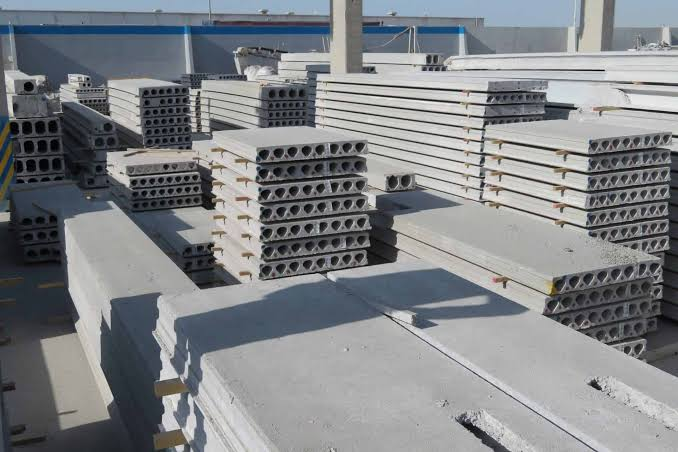
At ALHUD Technical Service, we combine engineering expertise with advanced manufacturing capabilities to provide complete precast solutions for projects across Abu Dhabi. As a trusted Precast Company, we manufacture and install wall panels, structural columns, beams, staircases, retaining walls, boundary walls, hollow core slabs, architectural precast elements, and custom concrete products. Every project follows strict quality control procedures from manufacturing through installation, ensuring reliable structural performance and long-term value. Whether you’re planning a residential villa, commercial development, industrial facility, or infrastructure project, our experienced team delivers professional precast solutions tailored to your construction requirements.
Frequently Asked Questions
Is precast concrete stronger than cast-in-place concrete?
Both systems can achieve excellent structural strength. However, factory-controlled production often provides greater consistency and quality control for precast components.
Which construction method is faster?
Precast construction is generally faster because manufacturing occurs while site preparation continues, reducing the overall project timeline.
Can precast concrete be customized?
Yes. Modern precast systems support a wide range of custom structural and architectural designs for residential, commercial, and industrial developments.
Where can I find reliable precast companies near me?
If you’re searching for Precast Companies Near Me or Precast Concrete Companies Near Me in Abu Dhabi, ALHUD Technical Service provides professional manufacturing, engineering, transportation, and installation services for projects across the UAE.
Conclusion
Choosing between precast concrete and traditional cast-in-place concrete depends on your project’s priorities, timeline, design requirements, and long-term objectives. While both methods have their place in modern construction, precast concrete continues to gain popularity because of its manufacturing precision, faster installation, improved quality control, and dependable long-term performance. Working with an experienced precast manufacturing company like ALHUD Technical Service ensures you receive expert guidance and high-quality precast solutions tailored to your project’s unique requirements. This distinctive comparison focuses on the decision-making process, making it different from standard comparison blogs and helping establish stronger topical authority.
